New Electrical Installation vs. Retrofit: Choosing the Right Path for Your Business
When a business needs electrical work, the first question is often whether to start fresh or update what is already there. A new installation means designing and building an electrical system from scratch. A retrofit upgrades or replaces parts of an existing system. Each approach has its own advantages, and the right choice depends on the building, the budget, and the business's long-term plans.
Commercial electrical contractors handle both types of projects. They assess the current state of a building's wiring, load requirements, and safety codes before recommending a path. Understanding the differences between new installation and retrofit helps business owners make informed decisions and avoid costly surprises.
What a New Electrical Installation Involves
A new installation starts with an empty shell or a space that has never had permanent electrical service. The contractor creates an electrical plan that maps out every outlet, switch, light fixture, and piece of equipment. The wiring layout follows local code and the specific needs of the business. A conduit system protects the wires, and junction boxes allow for future connections. Grounding and bonding ensure safety. A circuit schedule tells the electrician which breakers serve which areas, and all work must pass inspection before the permit is closed.
New installations are common in new construction, major additions, or when a business moves into a space that was previously unfinished. They give the owner complete control over placement and capacity. There is no need to work around old wiring or hidden problems. The system can be designed for the exact occupancy load and equipment the business will use.
When a New Installation Makes Sense
A new installation is usually the better choice when the existing electrical system is outdated, undersized, or in poor condition. Older buildings often have wiring that cannot handle modern loads. Adding new equipment to an old panel can cause nuisance tripping or voltage drops. In these cases, patching the old system is less reliable than replacing it entirely.
If the business plans to stay in the space for many years, a new installation can save money over time. New components are more efficient and require less maintenance. The system can also be built with room for future expansion, avoiding the need for another major upgrade later.

Another scenario is a change in occupancy type. A retail store that becomes a restaurant needs different electrical capacity and layout. A warehouse turned into an office needs more outlets and lighting circuits. A new installation is often required to meet code for the new use.
What an Electrical Retrofit Involves
A retrofit upgrades or replaces parts of an existing electrical system without tearing out everything. This might mean changing the panel, adding circuits, replacing old wiring, or upgrading light fixtures to LED. The contractor works with the existing conduit system and junction boxes where possible, but may need to add new runs to serve new equipment.
Retrofits are common in tenant improvements, equipment upgrades, or when a business wants to improve energy efficiency without a full renovation. They cost less upfront than a new installation and cause less disruption to daily operations. The existing wiring layout is already in place, so the contractor can often complete the work faster.
When a Retrofit Is the Right Approach
A retrofit works well when the existing system is basically sound but needs updates. For example, an older building may have a panel that is full but the wiring itself is in good condition. Adding a subpanel or upgrading the main breaker can provide the needed capacity without replacing every wire.
If the business is leasing the space, a retrofit is often the practical choice. The owner may not want to invest in a full new system for a space they might leave in a few years. A targeted upgrade can meet current needs without overcapitalizing.
Retrofits are also common when equipment changes. A new machine may require a dedicated circuit and a different voltage. The contractor can run a new line from the existing panel rather than rewiring the entire building. This is faster and less expensive.
Key Considerations for Commercial Electrical Work
Every project starts with an assessment. A commercial electrical contractor will inspect the existing panel, wiring, grounding, and load. They will check for code violations, corrosion, or signs of overheating. They will also review the electrical plan and any permit requirements. In many jurisdictions, a permit is required for both new installations and major retrofits, and the work must pass inspection.
One factor that often tips the balance is the condition of the conduit system. If the existing conduit is rusted, damaged, or undersized, a retrofit becomes harder. Running new wires through bad conduit is not reliable. In that case, a new installation may be the only safe option.
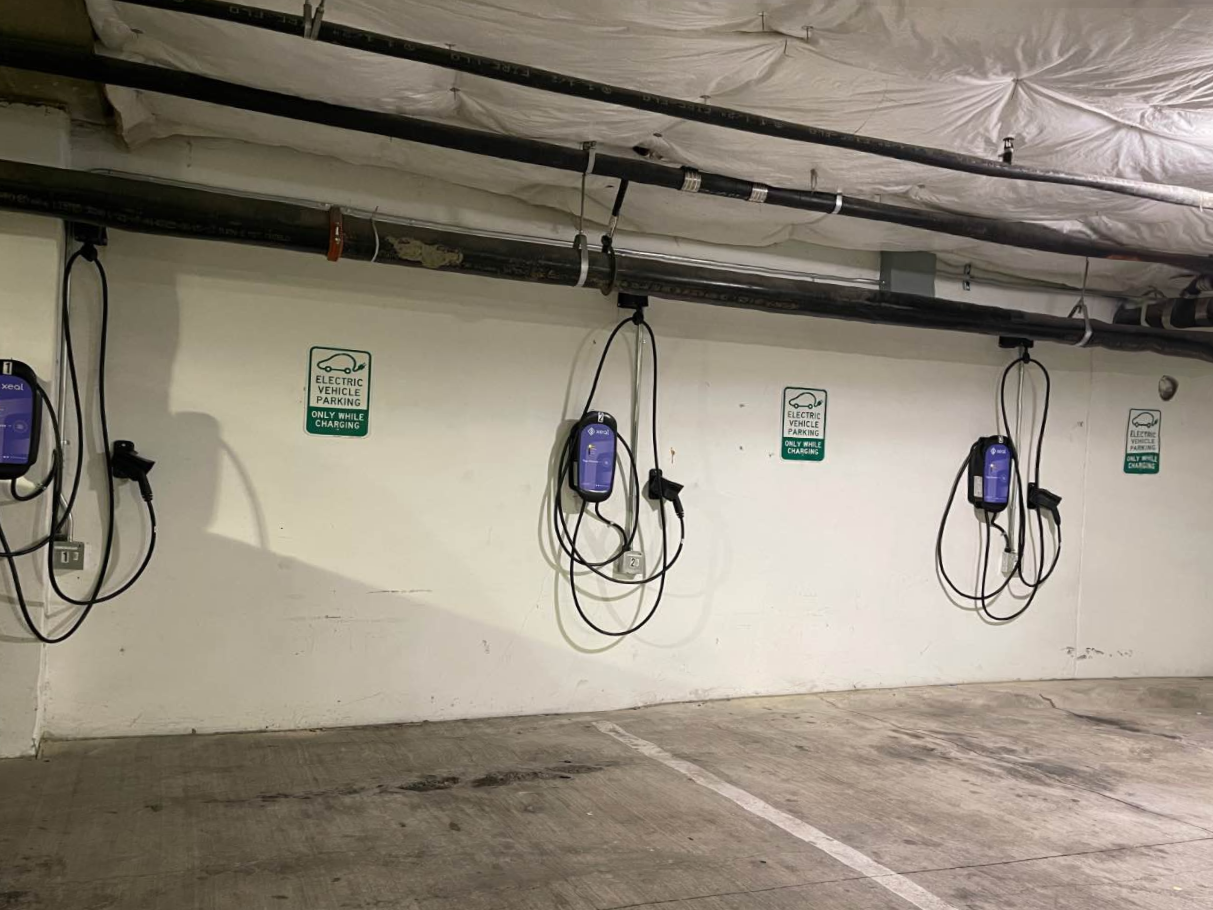
Another factor is the occupancy load. A new installation can be designed for the exact number of people and machines. A retrofit may have to work within the limits of the old system, which might not leave room for growth.
For businesses in San Jose, Santa Clara, and the surrounding Bay Area, experienced contractors like those at woodingelectric.com handle both approaches. They evaluate the building's current system and help decide which path fits the project. A good contractor will explain the trade-offs clearly, so the business owner understands the costs and benefits of each option.
Cost and Disruption Trade-Offs
New installations typically cost more upfront because they involve more materials and labor. But they also come with a longer service life and fewer repairs. Retrofits cost less at the start, but may need additional work sooner if the old system has hidden problems. A thorough inspection before starting the retrofit can reveal issues like undersized neutral wires, poor grounding, or degraded insulation. Fixing those problems during the retrofit saves money compared to dealing with them later.
Disruption is another concern. A new installation in an occupied building may require shutting down power for longer periods. A retrofit can often be phased, with work done after hours or on weekends. The contractor can plan the circuit schedule to keep critical equipment running while other areas are upgraded.
In some cases, a hybrid approach works best. The contractor may do a new installation for the main panel and feeder wires, then retrofit the branch circuits. This gives the reliability of a new system for the backbone while keeping costs lower on the final runs.
Making the Decision
The choice between new installation and retrofit is not always clear-cut. Business owners should start with a professional evaluation. The contractor will look at the age and condition of the existing equipment, the current and future electrical loads, and the building's layout. They will also check local code requirements, which may mandate a new installation for certain types of work.
A few questions to ask during the evaluation:
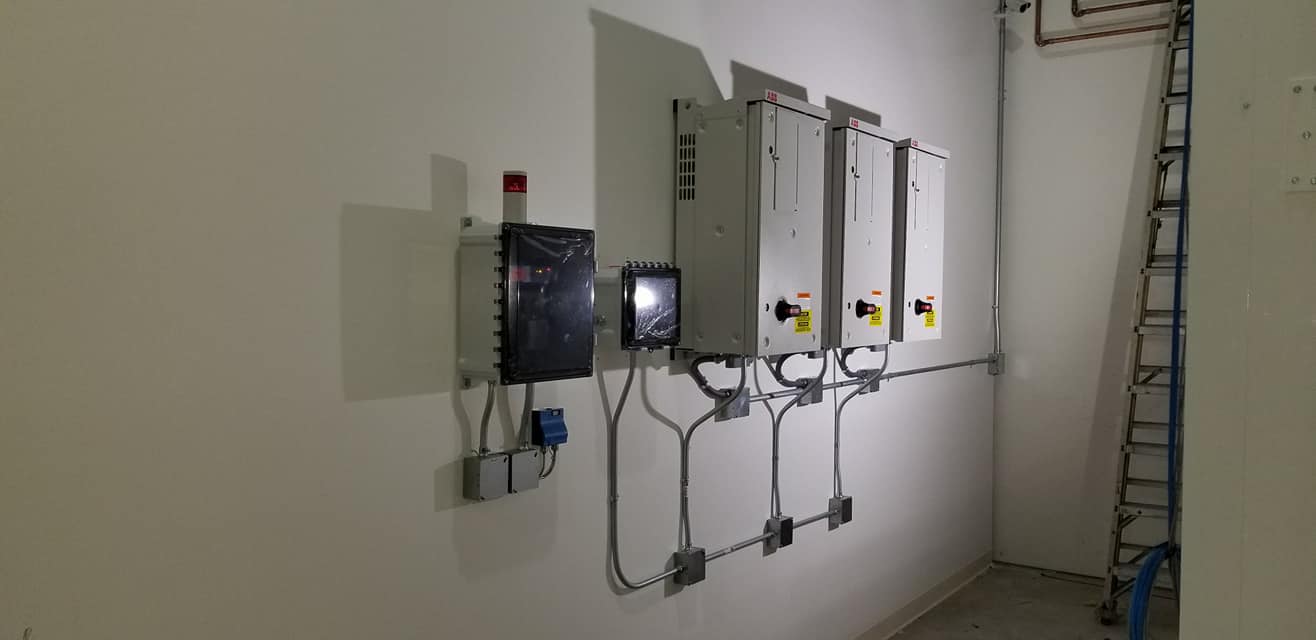
- How old is the existing electrical system? What is its condition?
- Will the current panel and wiring handle the equipment we plan to add?
- Is there room in the panel for new circuits, or is it full?
- How long do we plan to stay in this space?
- What is the budget for this project, both now and over the next five years?
Answering these questions helps determine whether a retrofit will meet the need or if a new installation is the wiser investment. For example, a business that plans to expand its equipment over time will benefit from a new installation with extra capacity built in. A business with a tight budget and a short lease may prefer a retrofit that solves the immediate problem.
For businesses in the Bay Area, working with a commercial electrical contractor who knows local codes and conditions is important. Companies like woodingelectric.com specialize in both new installations and retrofits, and they can guide the decision based on the specific building and business needs. A good contractor will not push one approach over the other without explaining why.
Ultimately, the right answer depends on the balance between cost, reliability, and future plans. A new installation offers a clean slate and long-term peace of mind. A retrofit offers a lower upfront cost and less disruption. Neither is universally better. The best choice is the one that fits the business's current situation and future goals.